
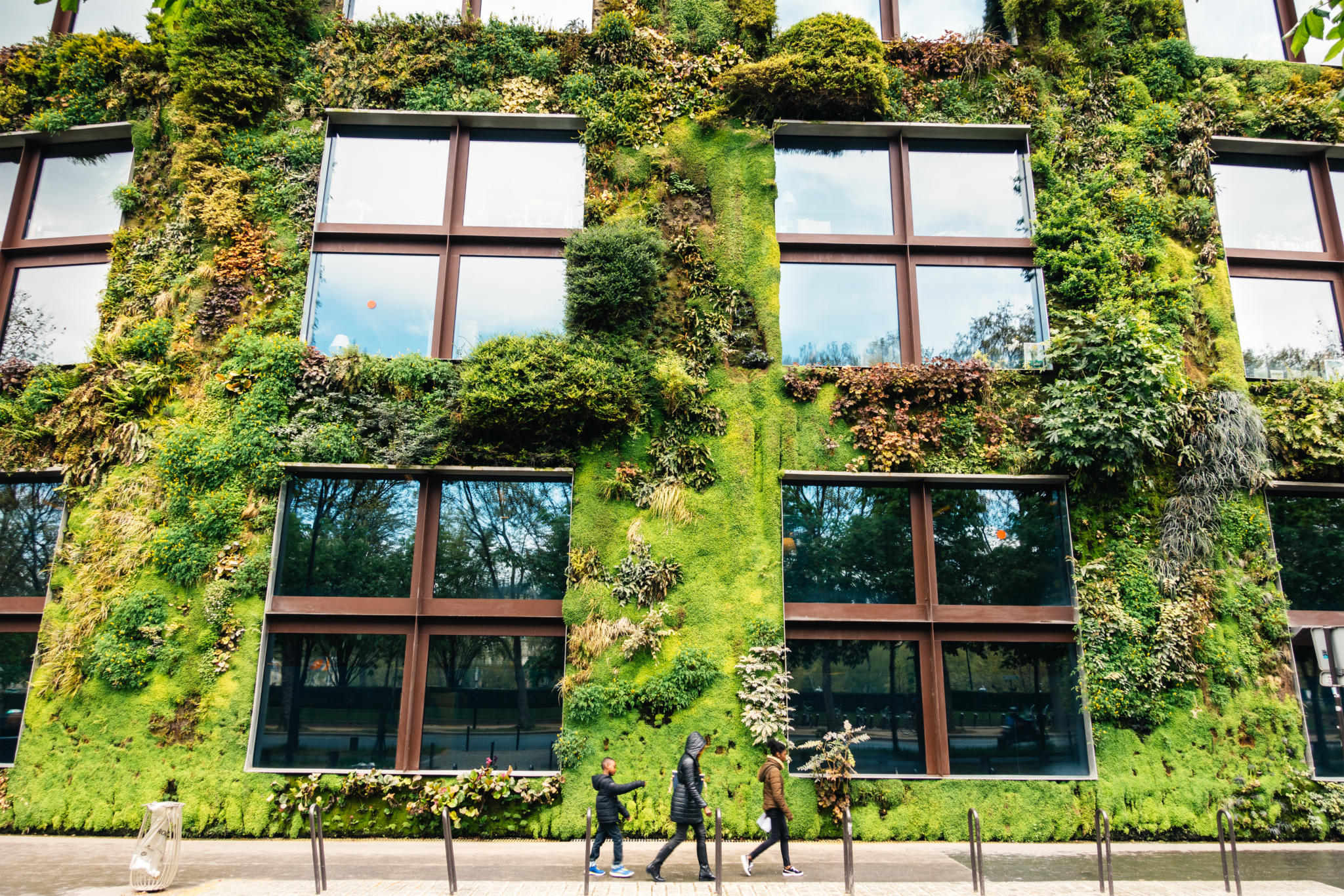
Addressing the climate emergency is a key priority across the world, as well as people’s’ wellbeing, and how we incorporate natural elements into architectural design is an increasingly important area of focus. Biophilic design addresses just this by considering how we can connect and combine nature and sustainability within the built environment.
Often unconventional and unique, this approach ranges from integrating natural lighting, ‘green’ walls, and water elements, to the creation of ‘vertical forests’ similar to those already seen in the Netherlands, Italy and China. In the West Midlands, plans to demolish a vacant cinema and transform the site into a 15-storey vertical forest with 77 apartments in West Bromwich have already been announced. These plans promise to deliver a “living garden” in the heart of Sandwell and should be commended for its imagination and ambition.
The benefits of this type of design are numerous. As our population increases, so too will the need to deliver accommodation in urban centres. Integrating human centric, natural design into new developments will be central to minimising the effects of urbanisation on the natural world while ensuring future residents are connected to their local ecosystems.
Incorporating green spaces, plants, natural materials, and water features into newbuilds will also help to reduce the carbon footprint of these developments. For example, natural features improve the energy efficiency of new developments by regulating internal temperatures, reducing greenhouse emissions by minimising energy usage.
The benefits of integrating natural design within the built environment also extends directly to inhabitants and the local population too. Indeed, the concept ‘biophilia’ defines how human well-being, health, and productivity are improved when we are connected to nature. This has never been more important to our lives, with an ever-extending urban landscape already having demonstrable negative effects on the health of those who live in hubs of urban activity.
Implementing biophilic design within residential or office developments can also improve mental health, reduce stress, promote employee engagement, and strengthen productivity. It can also support physical wellbeing, lessening the risk of cardio-vascular related illnesses and health issues resulting from pollution.
Apple, Google, and Amazon are companies who are leading the way in integrating biophilic design into their offices, having already developed work spaces with a staggering 40,000 plants, and ensuring every single desk and conference room has access to natural light. Whilst this type of biophilic design is ambitious, similar steps can be taken on a smaller scale, and should be embraced by the built environment where possible.
In combination with other infrastructure changes, such as Clean Air Zones already prevalent in Birmingham and several other cities in the UK, and efficient transport at the forefront of many regions’ ambitions, biophilic design can play a leading role in realising healthy and prosperous urban environments for the future.


